the sound of the islands
Music
Each genre has its own land and its own story. And many records had to travel to exist.
The genres
Morna
Where it comes from: Brava, Boa Vista and São Vicente in the early days, and then the whole archipelago and the diaspora.
The song of sodade. It speaks of love, emigration, separation and the bond with the land. Many of the mornas of the last century are about those who left, and the sea often appears as a messenger between those who went and those who stayed. It is played mainly on the guitar and sung mainly in creole, although there are also mornas in Portuguese. In 2019, UNESCO inscribed it on the list of the intangible cultural heritage of humanity.
The journey of the records
With no record industry on the islands, Cape Verdean records were made abroad. Follow the music around the world, stop by stop.
Stop 1 of 9 · 1934 · Porto, Portugal
Music goes to the exhibition
A group led by the guitarist Luís Rendall, with singers from Boa Vista, among them Maria Bárbara, performs at the Portuguese Colonial Exhibition. These events served to display the empire's authority and diversity.
The people
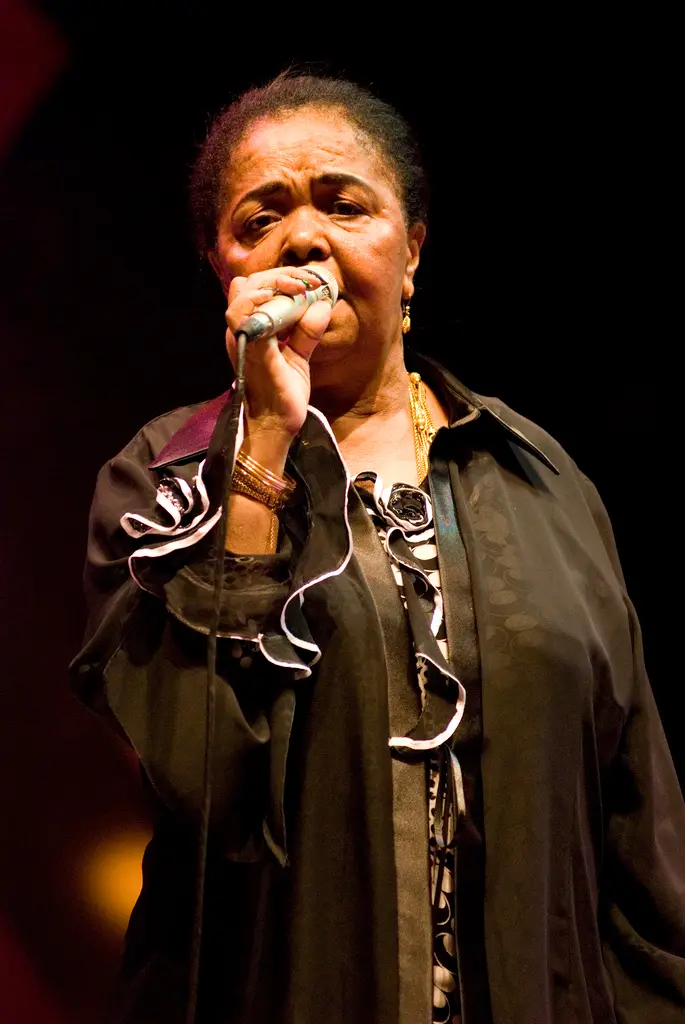
Cesária Évora
1941–2011
The "Barefoot Diva" took morna to the world.
Born and died in Mindelo, São Vicente.
Photo: Silvio Tanaka, CC BY-SA 2.0.
Listen and watch
Find out more
She became known as the "Barefoot Diva" and the "Queen of Morna". She was already singing in Mindelo from the 1940s to the 1960s, but worldwide success came with the album "Miss Perfumado", in 1992. With "Voz d'Amor", from 2003, she won a Grammy at the 2004 ceremony. Since 2012, the airport on São Vicente has borne her name.
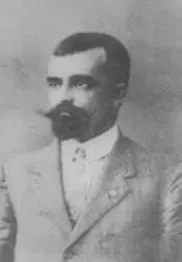
Eugénio Tavares
1867–1930
The poet of morna, who wrote in the creole of Brava.
Born on Brava.
Photo: Desconhecido.
Find out more
He wrote mostly in the creole of Brava, about love, the island, the sea and the emigrants. His "Morna de Despedida", the farewell morna, became a classic about the hour of departure.
B. Leza
One of the most celebrated Cape Verdean composers of the 20th century.
Born in Mindelo, São Vicente.
Find out more
Francisco Xavier da Cruz, composer and singer. He represented Cabo Verde in Lisbon in 1940.
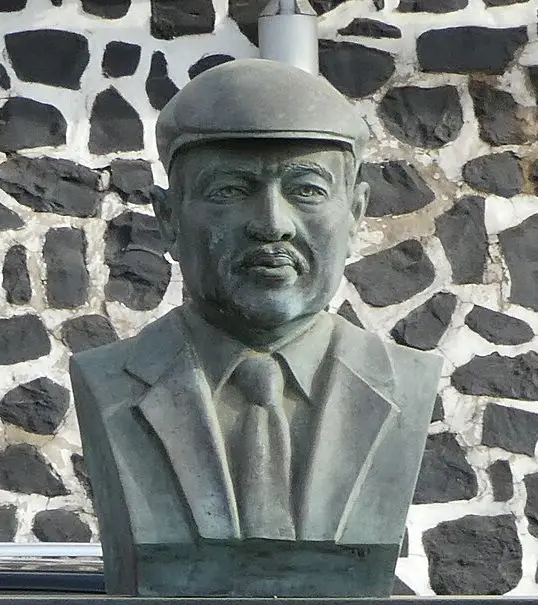
Manuel d'Novas
Author of many coladeiras, and of mornas about emigration.
Photo: Dreizung, CC BY-SA 4.0.
Find out more
He is one of the many key authors of Cape Verdean music who were themselves migrants.
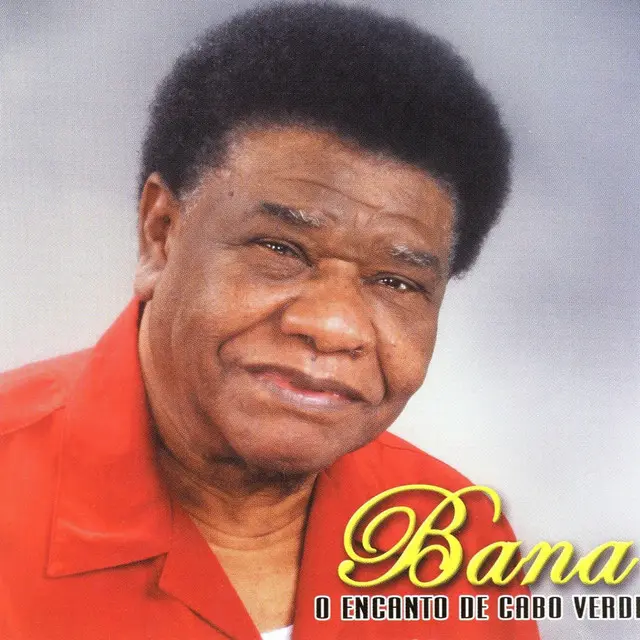
Bana
He opened the way in Lisbon for many musicians from Mindelo.
Photo: Capa de disco, autor desconhecido.
Find out more
A singer linked to the group Voz de Cabo Verde, he settled in Portugal in the early 1970s. In Lisbon, his music venue and his record label opened the way for many musicians.
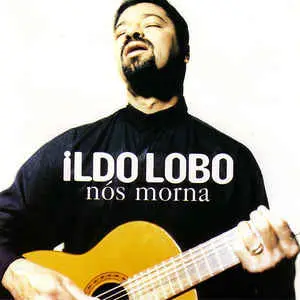
Ildo Lobo
1953–2004
The voice of Os Tubarões, and one of the country's best-known singers.
Born in Pedra de Lume, on Sal, and died in Praia.
Photo: Capa de disco, autor desconhecido.
Find out more
He was the voice of the group Os Tubarões. Solo, he recorded "Nôs Morna" (1996) and "Intellectual" (2001). The album "Incondicional" came out a few days after his death, in October 2004.
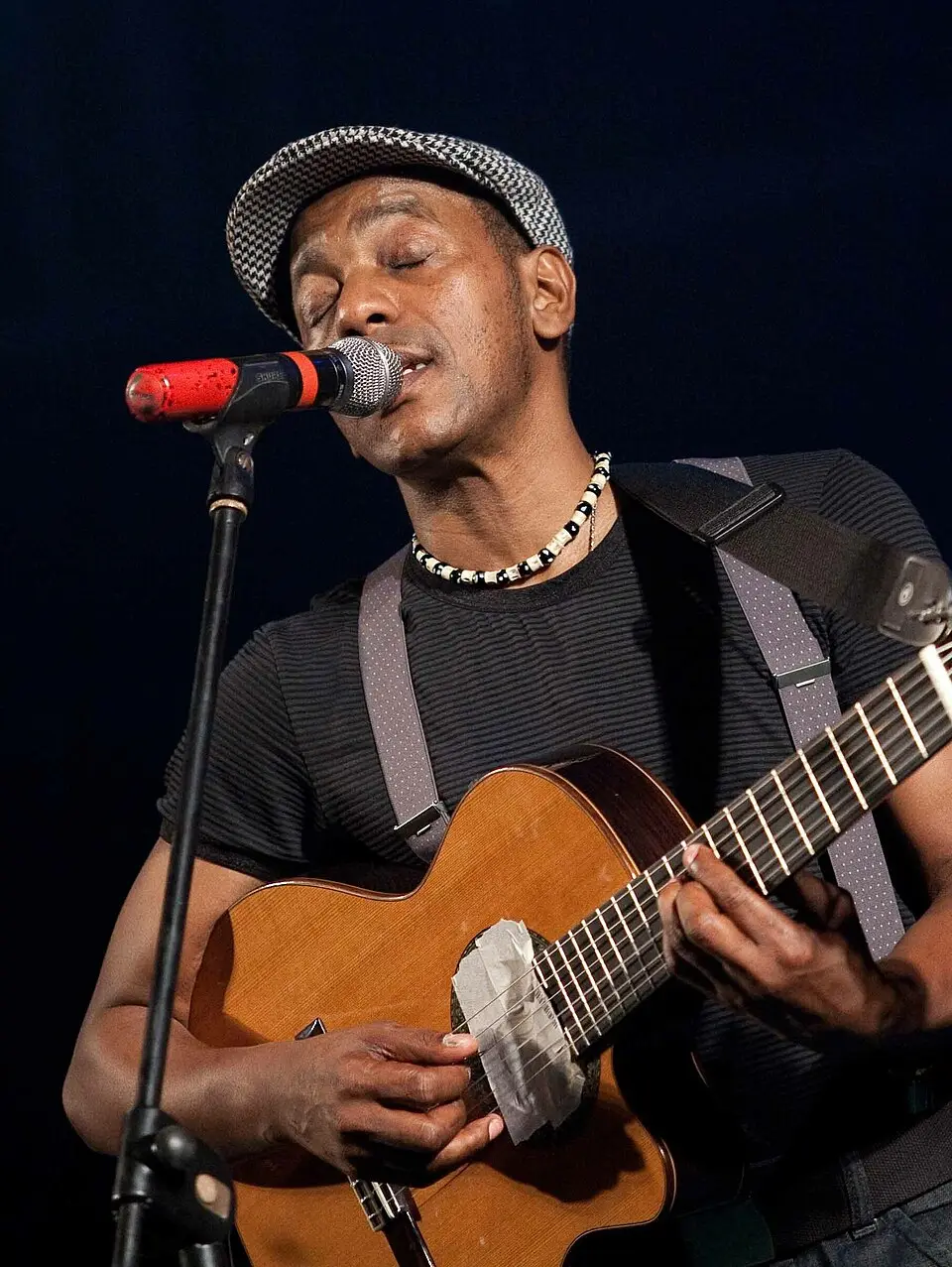
Tito Paris
Born in 1963
Guitarist and singer, he recorded with Cesária Évora and wrote for her and for Bana.
Born in Mindelo, São Vicente, and lives in Lisbon.
Photo: Ministério da Cultura, CC BY 2.0.
Find out more
He moved to Lisbon at 19, at Bana's request, to play bass. There he recorded with Cesária Évora and wrote songs for her and for Bana.
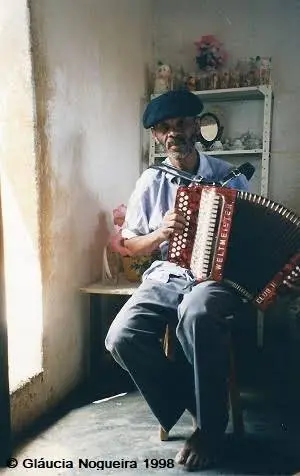
Codé di Dona
1940–2010
One of the great figures of funaná, with his accordion.
Born near São Domingos, on Santiago.
Photo: Gláucia Nogueira, 1998.
Find out more
His name was Gregório Vaz and he was a farmer. The song "Fomi 47" tells of the 1947 famine and of emigration to São Tomé. Since 2014 he has appeared on the 1000-escudo note.
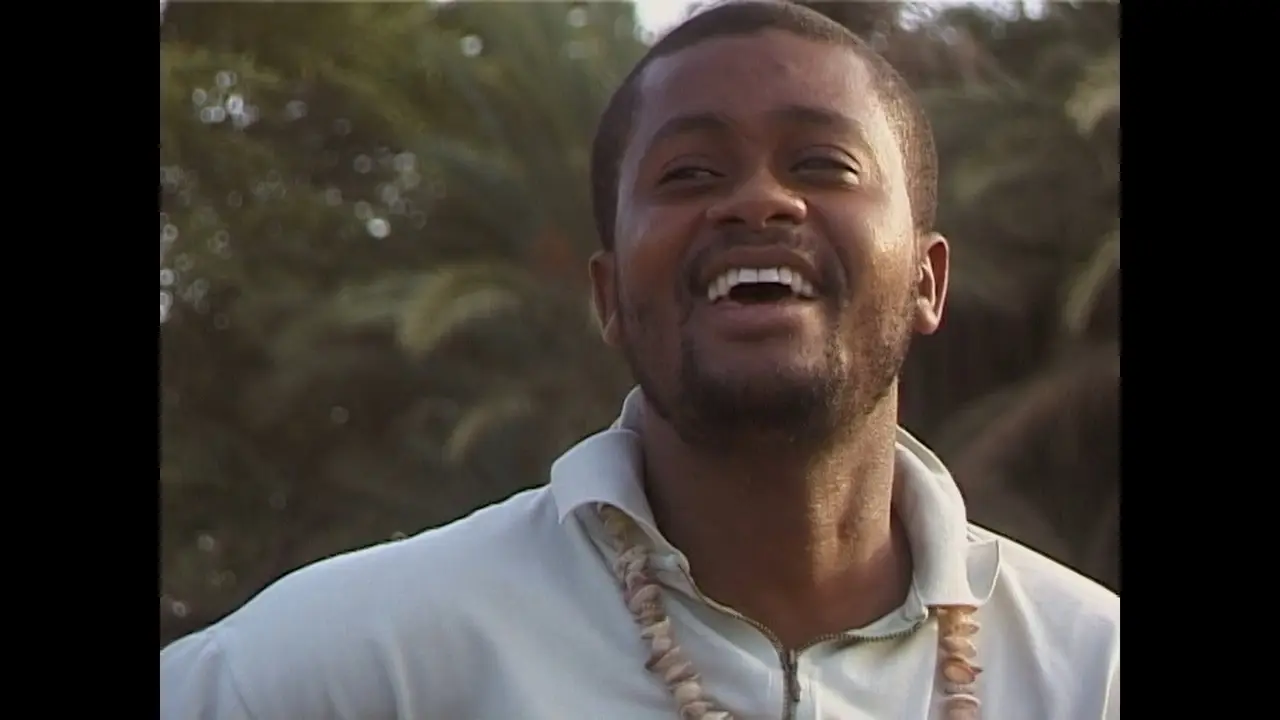
Orlando Pantera
1967–2001
He died before recording his album, but shaped a generation.
Born in São Lourenço dos Órgãos, Santiago.
Photo: Desconhecido.
Find out more
His name was Orlando Monteiro Barreto. He died at 33, as he was about to record his first album. Singers such as Tcheka, Vadú, Princezito and Mayra Andrade became known as the "Pantera generation".
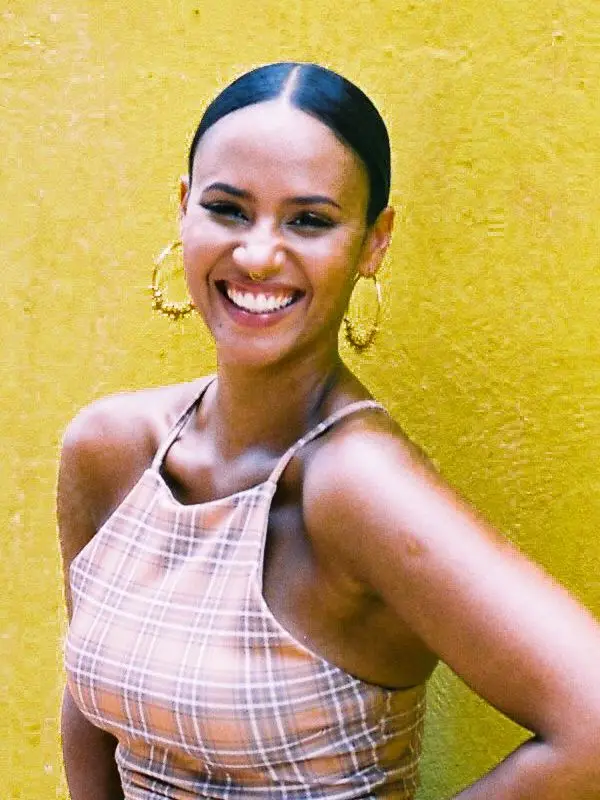
Mayra Andrade
Born in 1985
She records from Lisbon and has won awards in Germany and the United Kingdom.
Born in Havana, to Cape Verdean parents.
Photo: Management Mayra Andrade, CC BY-SA 4.0.
Find out more
She grew up between Cabo Verde, Senegal, Angola and Germany. She recorded "Navega" (2006), "Stória, stória..." (2009), "Lovely Difficult" (2013) and "Manga" (2019). In 2008 she received the BBC Radio 3 newcomer award.
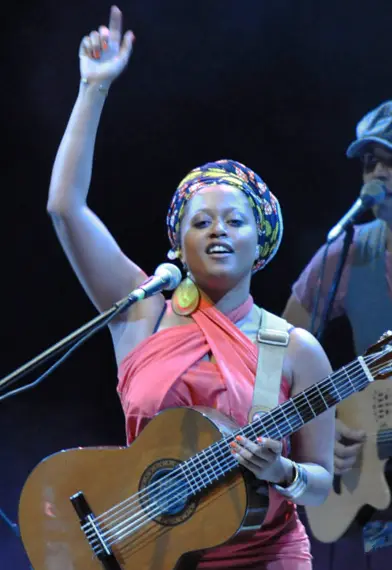
Sara Tavares
1978–2023
She represented Portugal at Eurovision at 16 and sang of her roots.
Born in Lisbon, to Cape Verdean immigrants.
Photo: Henryk Kotowski, CC BY-SA 3.0.
Find out more
In 1994 she won the Festival da Canção and went to Eurovision. She recorded "Mi Ma Bô" (1999), "Balancê" (2006), "Xinti" (2009) and "Fitxadu" (2017). She died in Lisbon in 2023, aged 45.
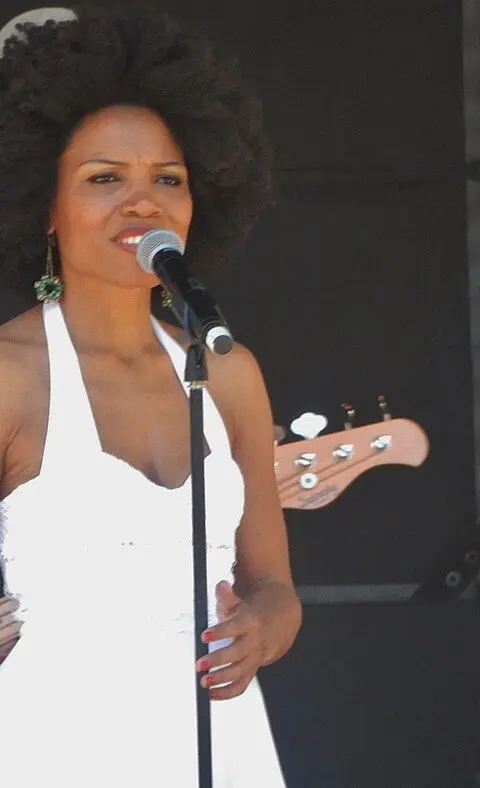
Lura
Born in 1975
She grew up in Lisbon and went back to batuque and the music of the islands.
Born in Lisbon, to a father from Santiago and a mother from Santo Antão.
Photo: Michael Coghlan, CC BY-SA 2.0.
Find out more
Her parents emigrated to Lisbon. She sings morna, funaná and batuque, which she describes as the women's rhythm, made of percussion.
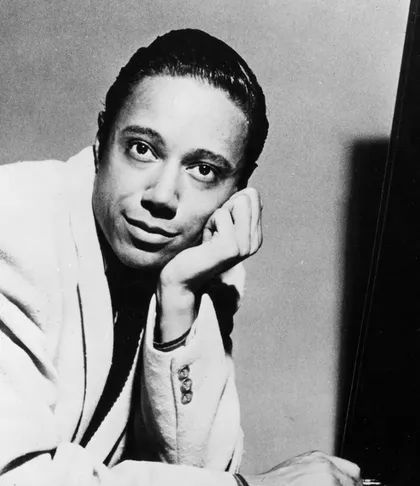
Horace Silver
1928–2014
American jazz pianist, son of a Cape Verdean.
Born in Connecticut, in the United States.
Photo: Shaw Artists Corp..
Listen and watch
Find out more
According to the musician himself, his father was from Maio and taught him the music of Cabo Verde. He recorded "Song for My Father" (1964) and "The Cape Verdean Blues" (1966).
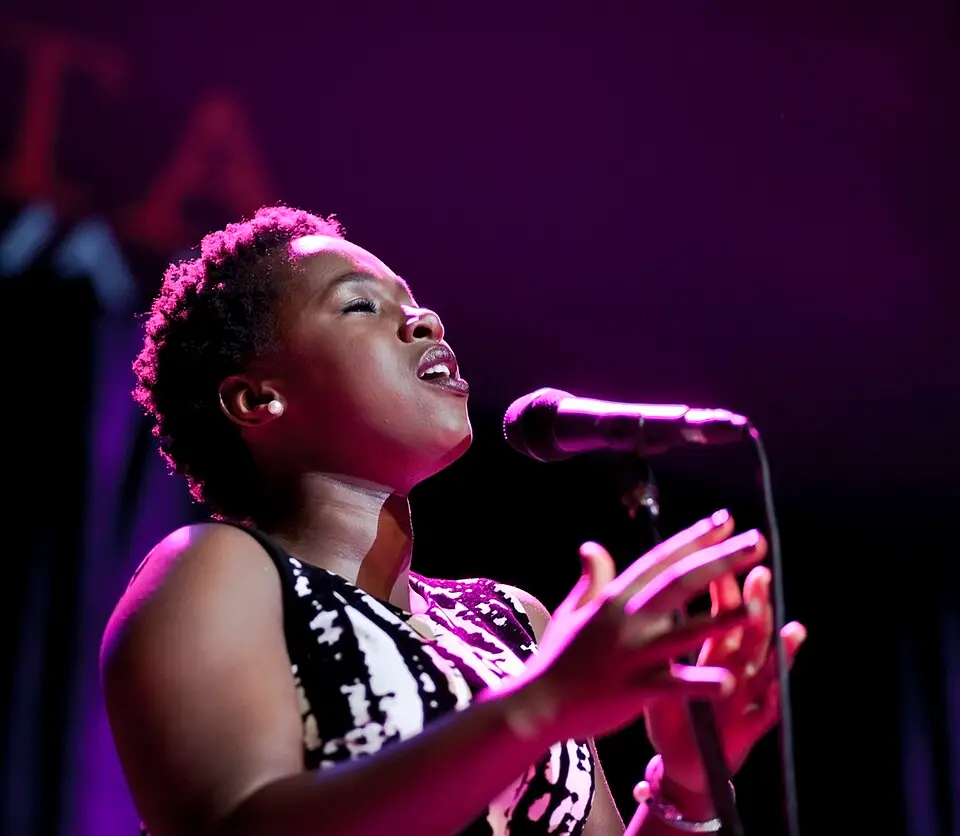
Elida Almeida
Born in 1993
A young singer, closer to funaná and batuque.
Born in Pedra Badejo, Santiago.
Photo: Paweł Ćwik / Funinpoland.pl, CC BY-SA 3.0.
Find out more
In 2015 she won RFI's Découvertes prize. She recorded "Ora doci, Ora Margos" (2014) and "Kebrada" (2017).
Nelson Freitas
Born in 1975
Zouk singer and producer, between Rotterdam and Cabo Verde.
Born in Rotterdam, to Cape Verdean parents.
Listen and watch
Find out more
He started in the group Quatro Plus and then went solo, with albums such as "Magic" (2006) and "My Life" (2010). The video for "Simple Girl" won best video at the 2013 Cabo Verde Music Awards.
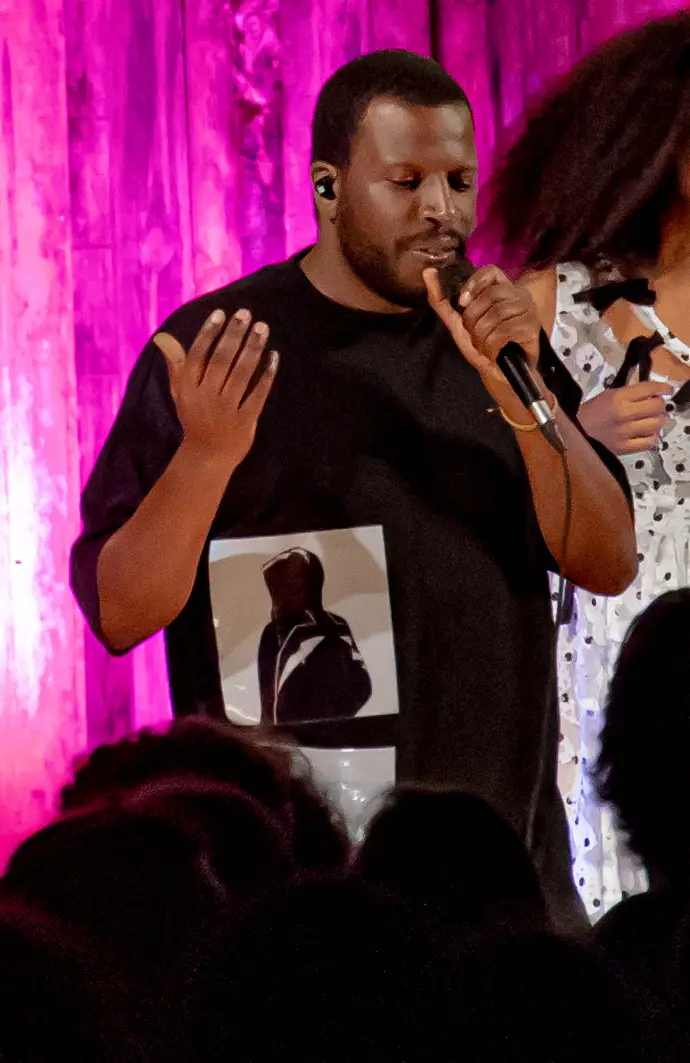
Dino d'Santiago
Born in 1982
He blends the music of Santiago with soul and hip-hop.
Born in Quarteira, in the Algarve, to parents from Santiago.
Photo: Watchfan04, CC BY-SA 4.0.
Find out more
His name is Claudino Pereira. He recorded "Eva" (2013), "Mundu Nôbu" (2019) and "Kriola" (2020). He was the most awarded artist at the Portuguese music awards in 2019 and in 2020.
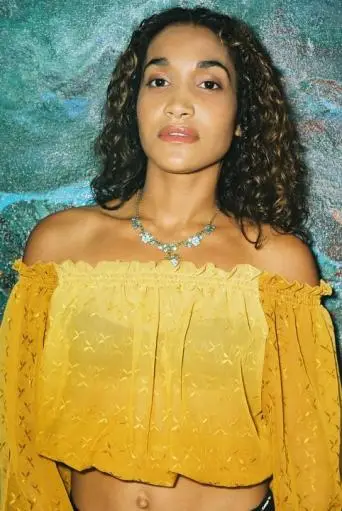
Suzanna Lubrano
Born in 1975
Zouk singer, awarded in Africa in 2003.
Born in Cabo Verde and grew up in Rotterdam.
Photo: Desconhecido.
Listen and watch
Find out more
In December 2003 she was voted best female artist at the Kora awards, in Johannesburg.


Books, newspapers and apps: see what else Cape Verdeans make
There are no recordings or lyrics here, because we don't have a licence to publish them. Ask at home which morna is the family's favourite.