life on the islands and at sea

Nature

Turtles that come back every year, birds found nowhere else, sharks that grow up off Sal, whales in winter and a living volcano.

The turtle that returns

This app's mascot is a turtle, and not by chance.

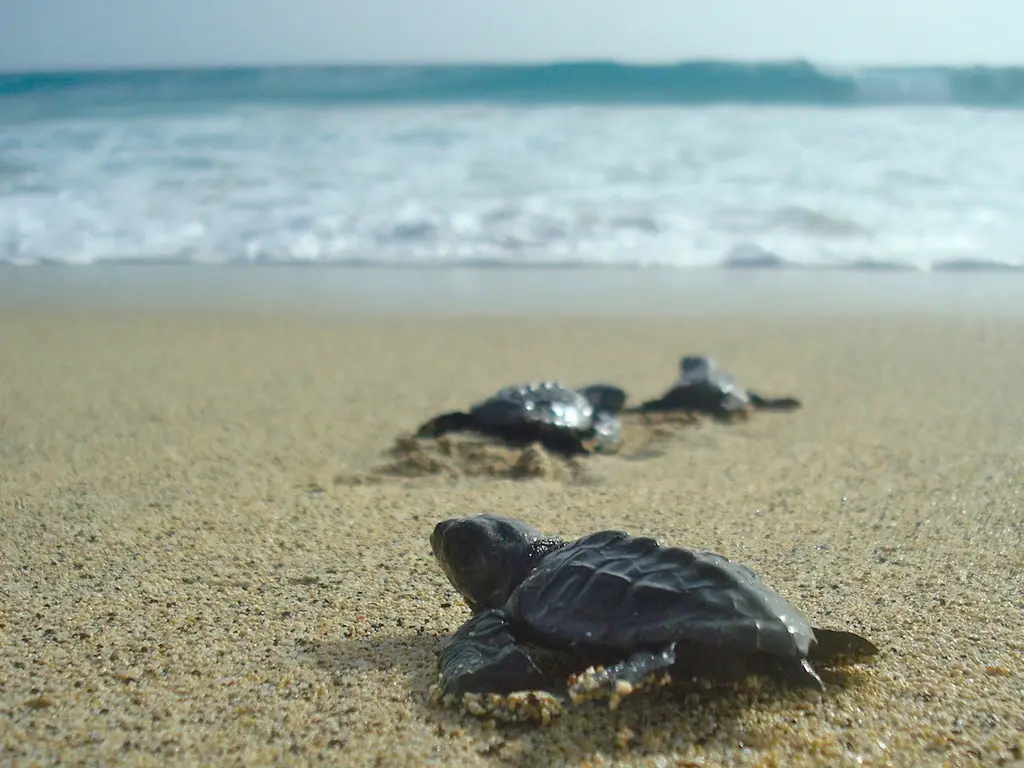
Three tiny turtles on wet sand, heading for the waves.
Loggerhead turtle hatchlings heading for the sea, on Sal, in 2011. Photo: Eliane Küpfer, CC BY-SA.

Loggerhead turtle

Caretta caretta

Status: Vulnerable worldwide

Cabo Verde has one of the world's largest populations laying eggs on its beaches.

Find out more

The nesting season begins on 1 June and lasts at least until November. Boa Vista, Sal and Maio have over 95% of the nests. On three beaches of Boa Vista, the number of nesting turtles grew about 80-fold between 1998 and 2024. Researchers put this down to beach protection, patrols, hatcheries and the fight against poaching. Risks remain from tourism on the beaches, from poaching, and from warmer sand, which makes more females hatch.
The law that protects them

Since 2018, harming a sea turtle has been a crime.

Find out more

The first law, from 1987, banned catching them during the nesting season. Since 2018 it has been a crime to catch, buy, sell, transport, export or eat sea turtles, their eggs or their parts. The penalty is 6 months to 3 years in prison, or a fine. According to the Government, the share of turtles caught fell from 8.25% in 2015 to 1.54% in 2020.

Turtle nests counted in Cabo Verde
10,7252015201620172018no figure2019198,7872020
See the numbers
YearNests
201510,725
201630,470
201744,035
2018109,126
2019no figure
2020198,787

The birds of the islands

Some of these birds live nowhere else in the world.

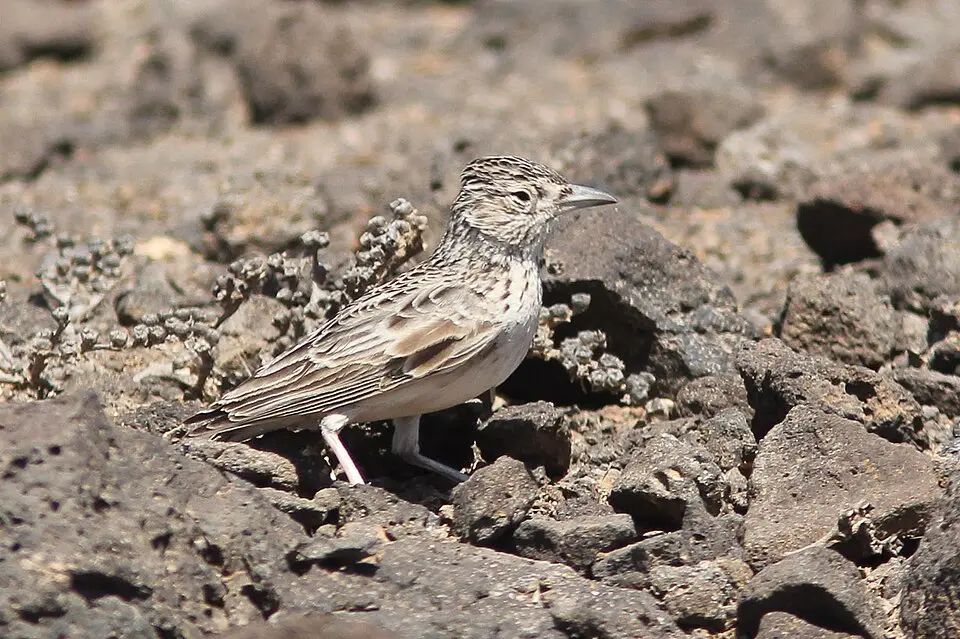
A small brown, streaked bird perched among volcanic stones.
The Raso lark. Photo: Tero Linjama, CC0 (domínio público).

Raso lark

Alauda razae

In Portuguese, laverca-do-raso or calhandra do Raso.

Status: Critically endangered

It lived only on the islet of Raso, about 7 km². Today it has a second home on Santa Luzia.

Find out more

Old bones show it once lived on Santa Luzia and other islands, before people arrived. After years of drought, it fell to about 60 birds in 2004, and passed 1,000 in 2018. In 2018, about 30 were taken to Santa Luzia, which had been prepared since 2013 to receive them, so that a single drought or storm could not wipe out the species.

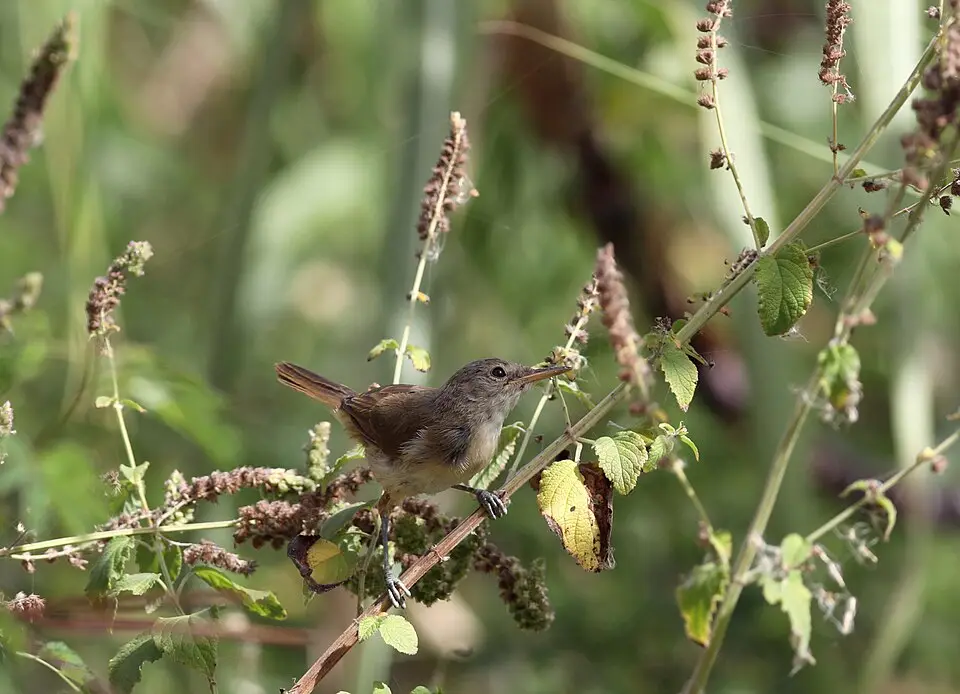
A small brown bird perched on a branch, among green plants.
A Cape Verde warbler in Ribeira Seca, on Santiago. Photo: Christian Pirkl, CC BY-SA 4.0.

Cape Verde warbler

Acrocephalus brevipennis

In Portuguese, tchota-de-cana or chincherote.

A small bird of the green valleys, which nests in the sugar cane fields.

Find out more

It lives in valleys with plenty of vegetation, on Santiago, Fogo and São Nicolau, and avoids dry areas. It once lived on Brava too.

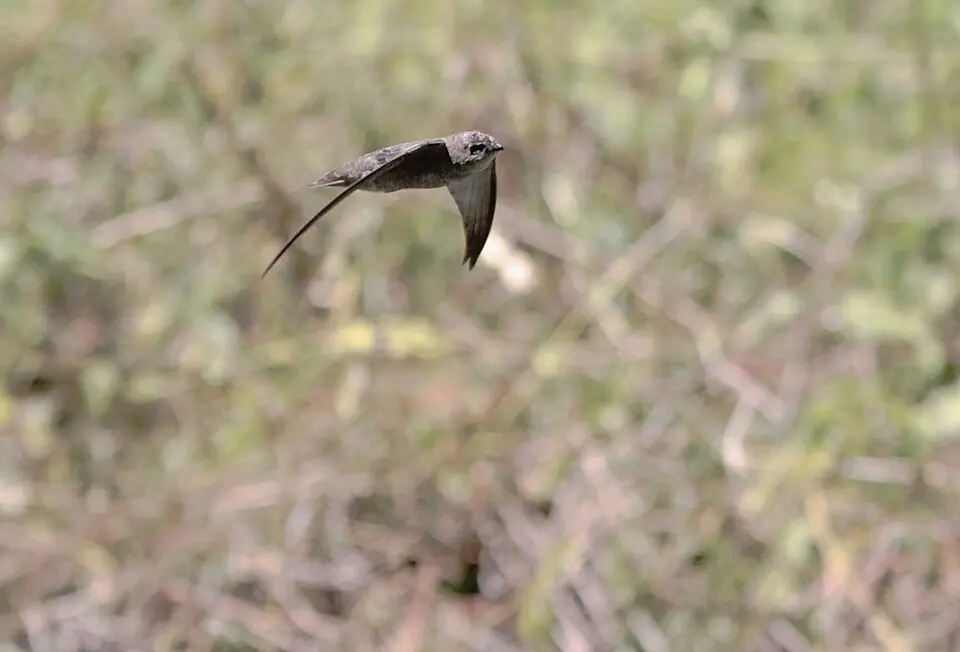
A dark bird with long, thin wings, in flight.
The Cape Verde swift, in flight. Photo: Tero Linjama, CC0 (domínio público).

Cape Verde swift

Apus alexandri

Status: Common

It lives only on these islands, but it is common.

Find out more

It has been seen on every island except Santa Luzia, and probably nests on Santiago, Fogo, Brava, Santo Antão and São Nicolau.

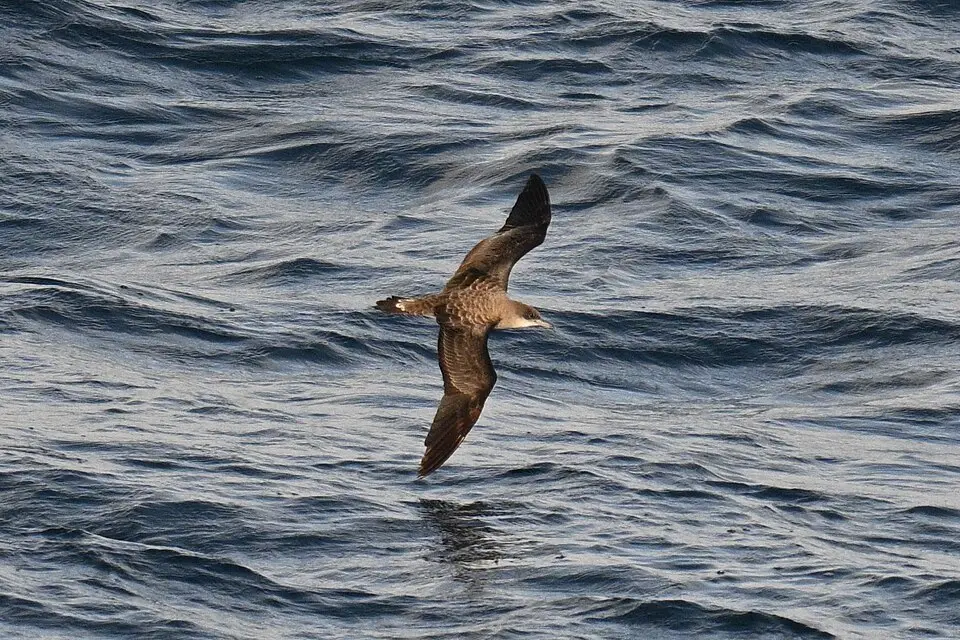
A brown seabird, wings spread, flying low over the sea.
A Cape Verde shearwater near Boa Vista. Photo: Charlotte Kirchner, CC BY 4.0.

Cape Verde shearwater

Calonectris edwardsii

A seabird that nests only in Cabo Verde.

Find out more

It spends its life at sea and only comes ashore, on the islands of Cabo Verde, to nest.

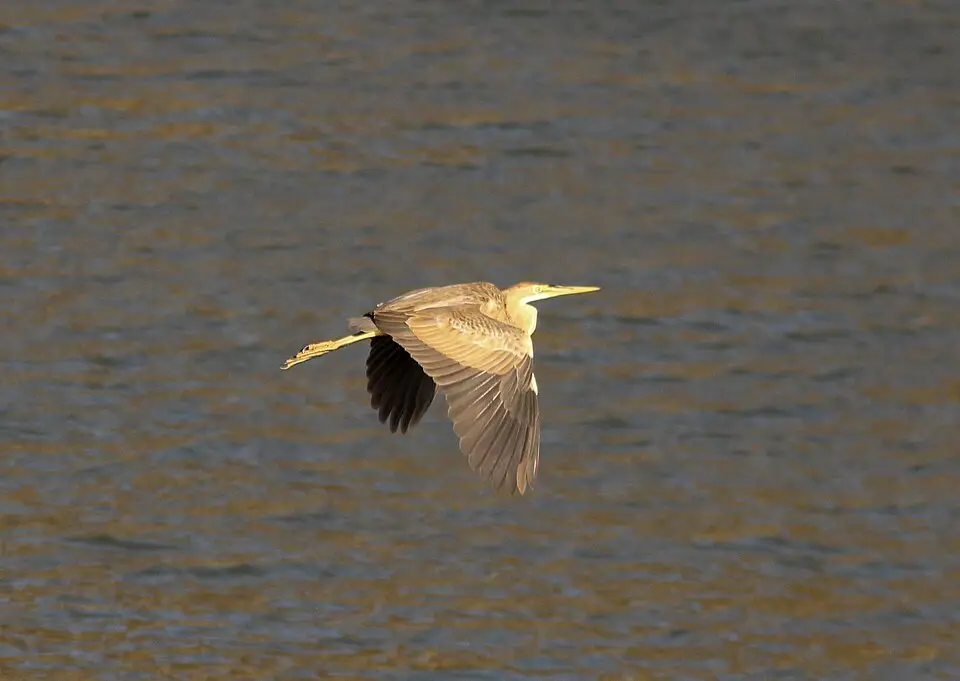
A heron with a long neck and a yellow bill, flying over water.
Bourne's heron, the purple heron of Cabo Verde. Photo: Tero Linjama, CC0 (domínio público).

Bourne's heron

Ardea purpurea bournei

Status: Threatened

A heron that lives only in Cabo Verde.

Find out more

It is a form of the purple heron found only in this archipelago, and it is threatened.

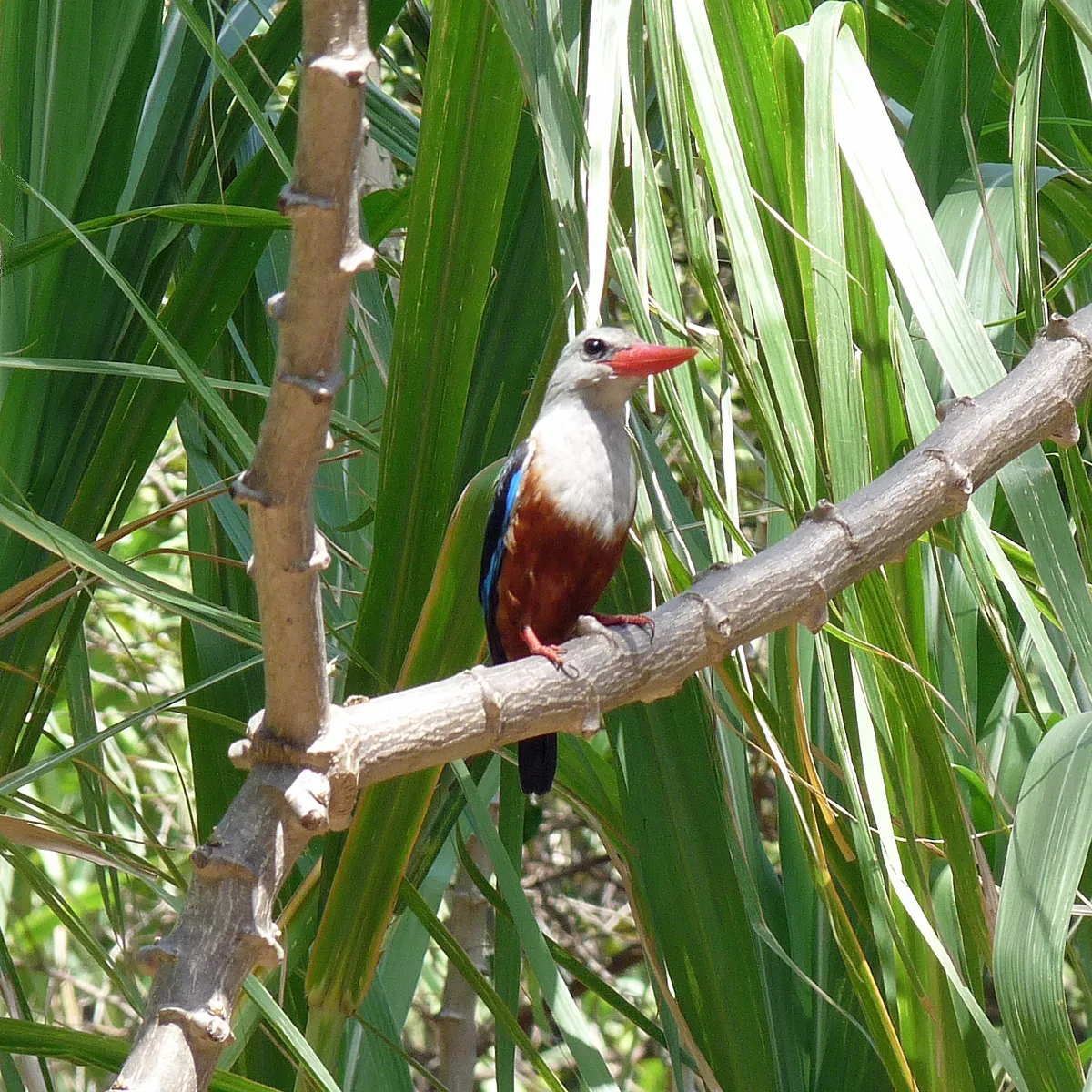
A bird with a grey head, a red bill, a brown breast and blue wings, perched on a branch among reeds.
A passarinha, the grey-headed kingfisher, in Ribeira Grande de Santiago. Photo: Ji-Elle, CC BY-SA 3.0.

Passarinha

Halcyon leucocephala acteon

Status: Least concern worldwide

The grey-headed kingfisher: it does not live by water, but hunts on land.

Find out more

It is a kingfisher, but, unlike most of them, it does not live by water. It perches and waits, then swoops on the insects and small lizards it sees on the ground. It nests in holes in ravine banks. The form that lives in Cabo Verde has its own name, acteon, and was described in 1830 from birds of these islands.

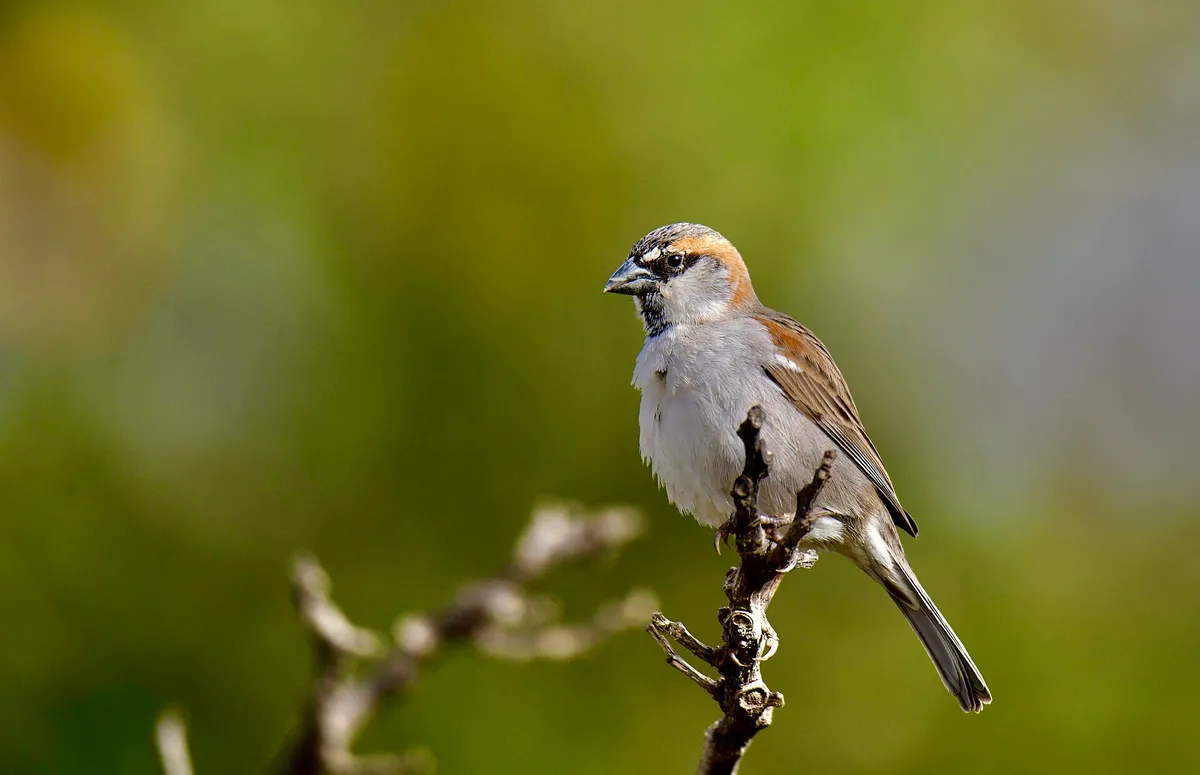
A male sparrow, with a dark head and a rust-coloured back, perched on a thin branch.
A male Cape Verde sparrow, on Sal. Photo: Luiz Lapa, CC BY 2.0.

Cape Verde sparrow

Passer iagoensis

Status: Least concern

A sparrow that lives only in Cabo Verde.

Find out more

It lives only in the Cabo Verde archipelago. It is common on most of the islands, but does not live on Fogo and is rare on Santa Luzia, the islet of Branco and Sal. It lives on the lava plains, on cliffs, in stream beds and at the edges of fields, and also in villages and backyards. It eats mostly seeds; the chicks eat insects. Charles Darwin was the first to collect this bird, on Santiago, on the voyage of the Beagle.

On land

A gecko found only here, and monkeys that came from elsewhere.

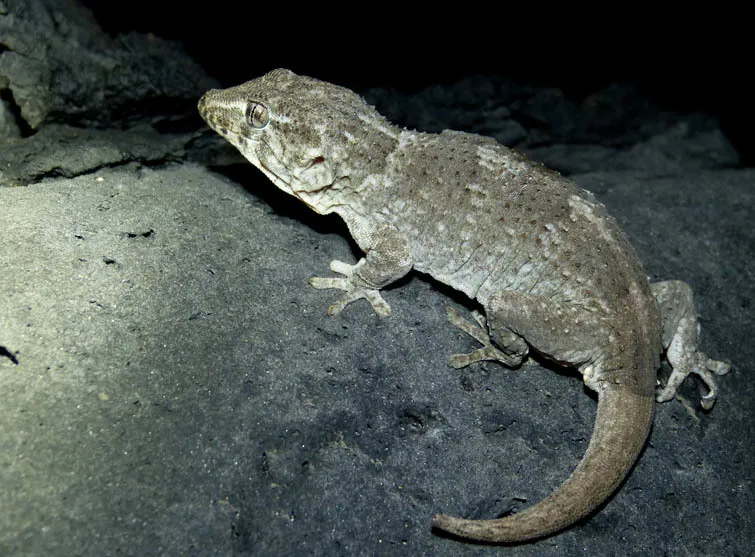
A large, greyish gecko with rough skin, on a dark rock, at night.
A giant gecko from the islet of Branco. Photo: Auréles Miralien, CC BY-SA 4.0.

Cape Verde giant gecko

Tarentola gigas

Status: Endangered

One of the largest geckos in the world, and it lives only in Cabo Verde.

Find out more

It lives only in Cabo Verde: on São Nicolau and on the islets of Branco and Raso. Before people arrived, it also lived on São Vicente and Santa Luzia. It can measure 15.5 cm from snout to the base of the tail, which makes it one of the largest geckos in the world. It comes out at night and eats everything: plants, insects and other small animals.

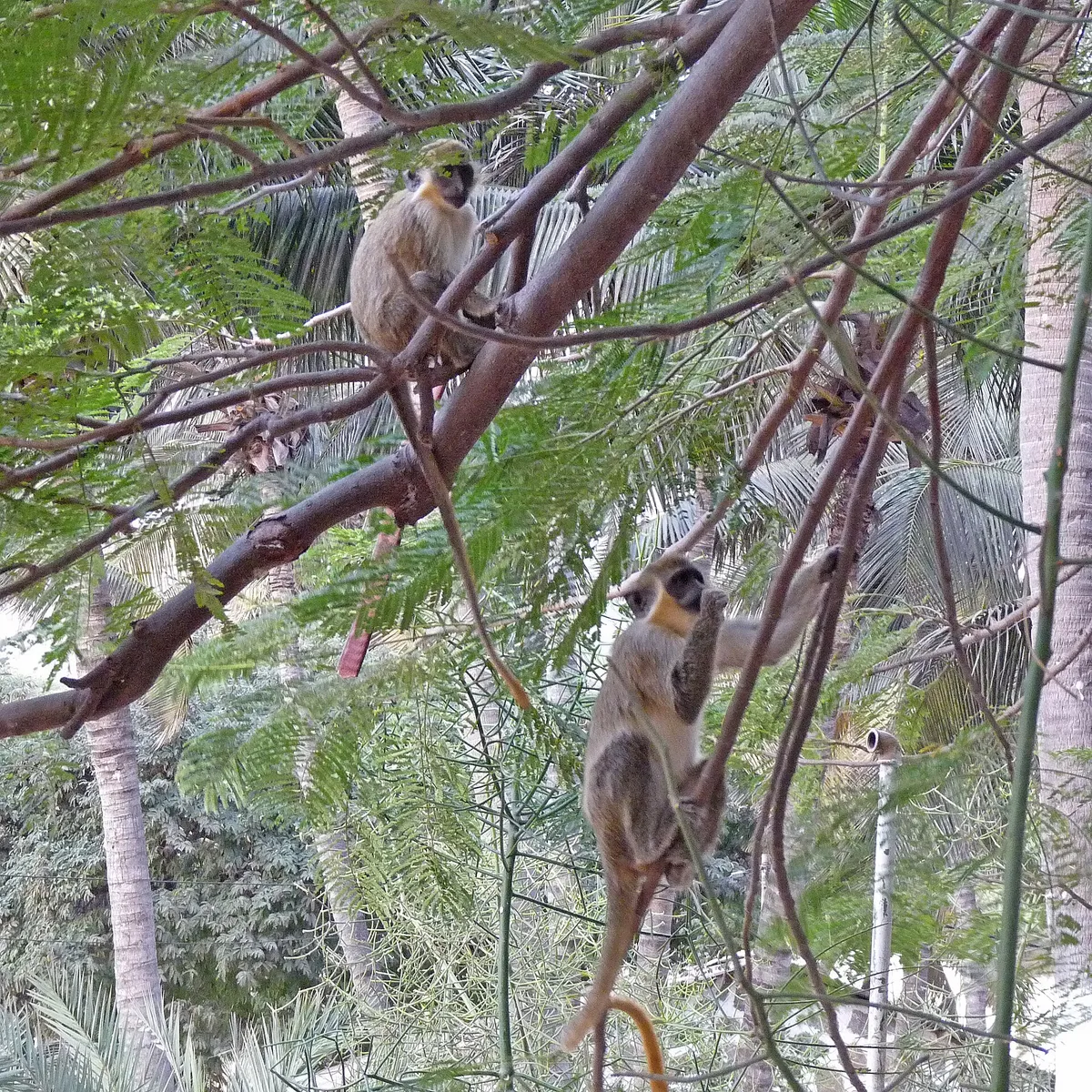
Two small monkeys, with greenish-grey fur, in the branches of a tree.
Green monkeys living free in Tarrafal, on Santiago. Photo: Ji-Elle, CC BY-SA 3.0.

Green monkey

Chlorocebus sabaeus

An African monkey that came to the islands from elsewhere.

Find out more

It is not native to Cabo Verde: it came from the African mainland and was brought to the islands, perhaps as early as the second half of the 16th century. Today it lives only on Santiago and Brava.

The sea

Around the islands, the Atlantic has its visitors too.

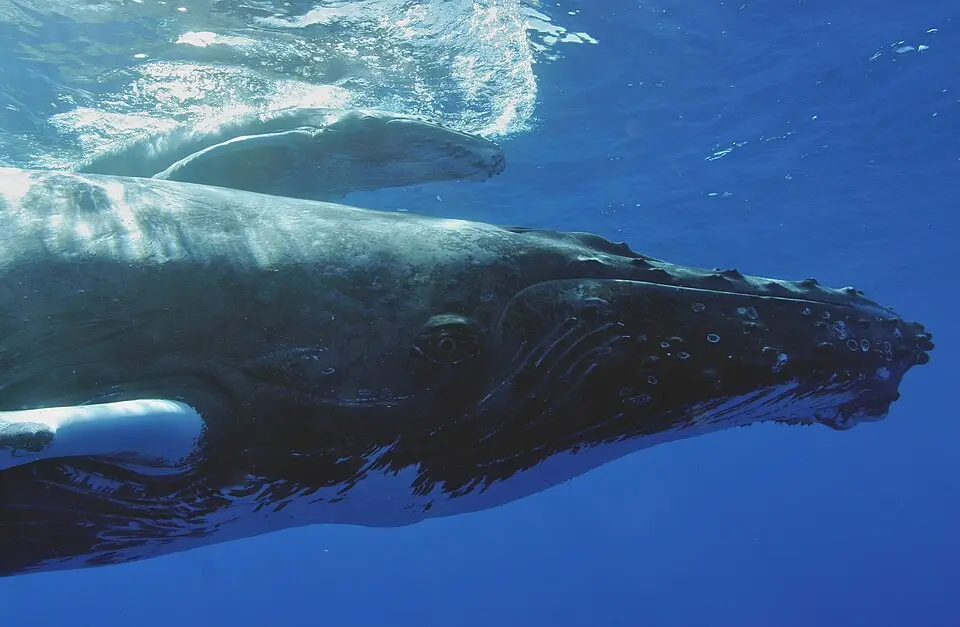
A large whale underwater, with its calf above it.
A humpback whale with its calf. The photo was taken in Hawaii, not in Cabo Verde. Photo: National Marine Sanctuaries (Estados Unidos).

Humpback whale

Megaptera novaeangliae

In Portuguese, baleia-jubarte or baleia-de-bossa.

The waters of Cabo Verde are one of the two known places where North Atlantic humpbacks breed.

Find out more

They come in winter. The bay of Sal Rei, on Boa Vista, is the most important in the eastern North Atlantic for giving birth to and raising their calves. The population is very small and has not recovered since the end of whaling.

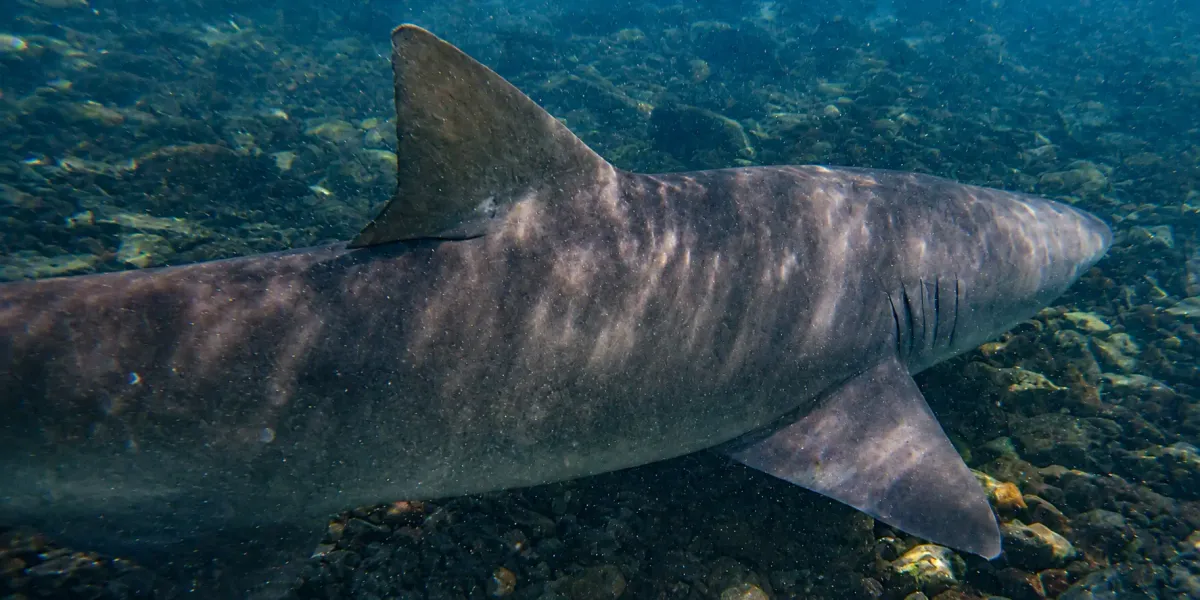
A light brown shark swimming in shallow water, over a rocky bottom.
A lemon shark in shallow water, in Cabo Verde. Photo: johnlyden, CC BY 4.0.

Lemon shark

Negaprion brevirostris

Status: Vulnerable worldwide

On Sal there is a reef where young lemon sharks grow up.

Find out more

In the north-east of Sal, on the Parda reef, groups of 12 to 23 newborn and very young lemon sharks gather all year round, in shallow water. Between 2022 and 2025, the Associação Projeto Biodiversidade tagged 83, and many stayed or came back for up to 22 months. That is why the reef has been recognised as an important area for the breeding of this shark, which is classified as vulnerable worldwide.

The volcano

Fogo is the volcano that gave its name to an island.

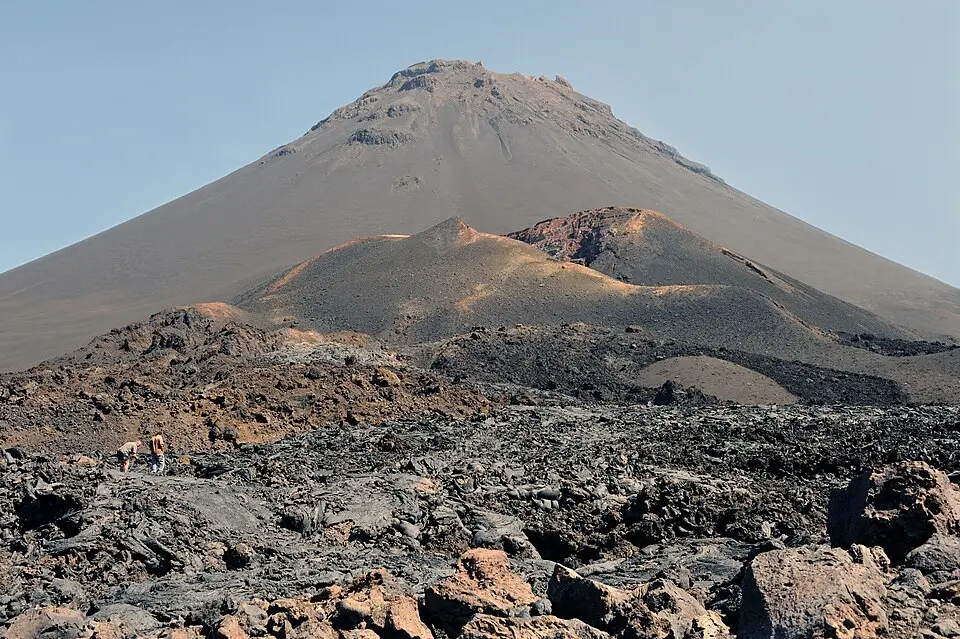
A tall grey volcano, with smaller cones and a field of black lava in front.
Pico do Fogo, with more recent cones and lava in front. Photo: Cayambe, CC BY-SA 3.0.

Pico do Fogo

The volcano is the country's highest point, at 2,829 metres.

Find out more

There were eruptions in 1951, 1995 and 2014. The last began in November 2014, lasted two months and destroyed houses, a school, a church and the winery of Chã das Caldeiras. People built again.

What we have lost

Not every story ends well. These help explain why nature is protected.

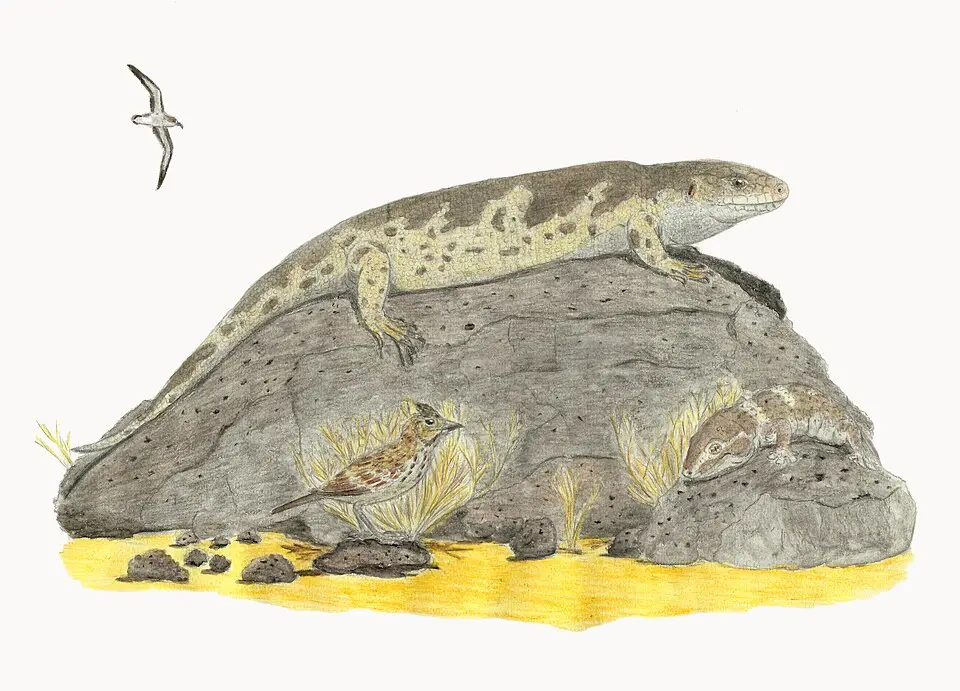
A drawing of a large spotted lizard lying on a rock, with a small bird and a gecko.
An artist's drawing: the giant skink no longer exists, so there are no photos. Photo: El fosilmaníaco, CC BY-SA 4.0.

Cape Verde giant skink

Chioninia coctei

Status: Extinct

It lived on the islets of Branco and Raso, and no longer exists.

Find out more

It was about 32 cm long without its tail and ate mostly plants. It was declared extinct in 1940. It disappeared because of the destruction of plant cover, hunting for museums, and the dogs, cats and rats that arrived with people. It is because of stories like this that birds and turtles are protected today.

Cape Verde kite

Milvus milvus fasciicauda

Status: Almost certainly extinct

A bird of prey of the islands that is no longer seen.

Find out more

It was a bird of prey of the islands, similar to the red kite. At the end of the 1980s there were still 50 to 75 pairs; by around 2000 perhaps one was left, and the remaining birds had interbred with the black kite. Today it is considered almost certainly extinct. It is still debated whether it was a species of its own or a subspecies of the red kite.

Protected places

Some islands and islets are kept for nature.

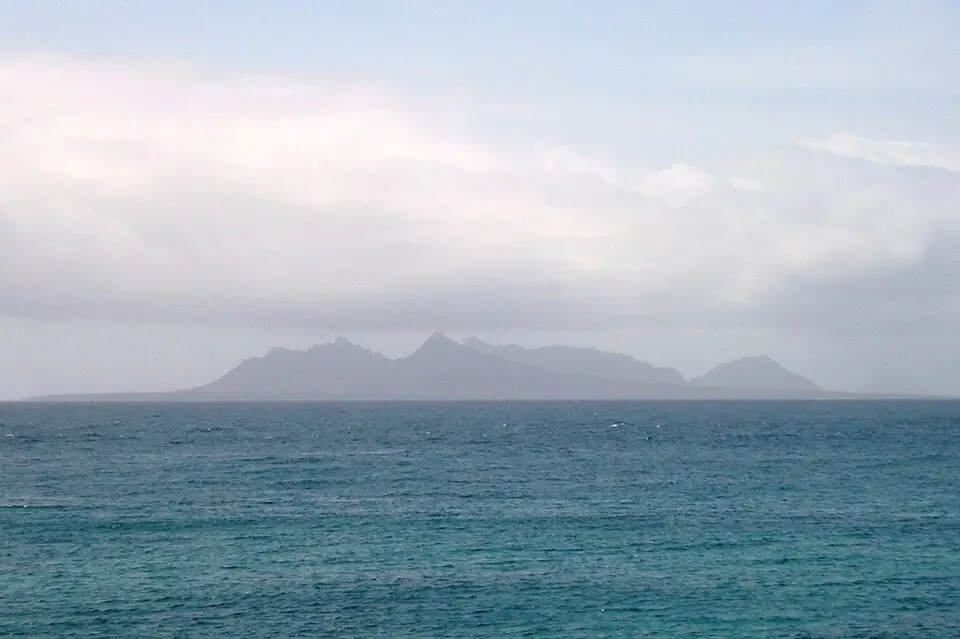
A mountainous island in the distance, across the blue sea.
Santa Luzia seen from São Vicente. Photo: Manuel de Sousa, CC BY-SA 3.0.

Santa Luzia and the islets

The uninhabited island and the islets of Branco and Raso have been a nature reserve since 1990.

Find out more

The reserve includes the surrounding sea. Since 2016 it has been on UNESCO's tentative list for World Heritage. This is where the Raso lark was taken.

Water and energy

Living on dry islands in the middle of the sea: where the water people drink and the electricity they use come from.

  1. Over 85%

    Seawater to drink

    Having enough fresh water is a long-standing problem in Cabo Verde. Over 85% of the water that reaches homes comes from desalination: seawater is turned into fresh water in plants that use a lot of electricity, about 7% of all the country's electricity.

  2. About 80%

    Power from abroad

    About 80% of the electricity is produced with fuel bought from abroad. That is why power is expensive: about 0.30 euros per kilowatt-hour, among the most expensive in sub-Saharan Africa, in a country where average income is around 500 euros a month. Power cuts happen, on average, about once a month.

  3. 21% → 50%

    Wind and sun

    Wind and sun produced 21% of the electricity in 2024. In 2025, a new 13.5-megawatt wind farm on Santiago raised renewable capacity from 36 to almost 50 megawatts. The Government's goal is to reach 50% renewable energy by 2030.

Test what you've learnt15 questions about nature

References

  1. Bourne's heron (Wikipédia em inglês)
  2. Breeding habitat of poorly studied humpback whales (Megaptera novaeangliae) in Boa Vista, Cape Verde
  3. Cabo Verde (Wikipédia em português)
  4. Cabo Verde com recorde de quase 200.000 ninhos de tartarugas em 2020
  5. Cape Verde giant skink (Wikipédia em inglês)
  6. Cape Verde kite (Wikipédia em inglês)
  7. Cape Verde shearwater (Wikipédia em inglês)
  8. Cape Verde swift (Wikipédia em inglês)
  9. Cape Verde warbler (Wikipédia em inglês)
  10. Chã das Caldeiras (Wikipédia em inglês)
  11. Decreto-Legislativo n.º 1/2018, de 21 de maio (regime de proteção das tartarugas marinhas). artigo 20.º
  12. Green monkey (Wikipédia em inglês)
  13. Grey-headed kingfisher (Wikipédia em inglês)
  14. Ground-breaking reintroduction for Cabo Verde's most threatened bird
  15. Iago sparrow (Wikipédia em inglês)
  16. Parda Reef: Important Shark and Ray Area (ISRA)
  17. Raso lark (Wikipédia em inglês)
  18. Santa Luzia, Cape Verde (Wikipédia em inglês)
  19. Sustainable development powered by renewables: Cabo Verde
  20. Tarentola gigas (Wikipédia em inglês)
  21. Teeming with turtles: Cabo Verde island sees 80-fold increase in nesting loggerheads
  22. Vinho do Fogo, o néctar da resiliência